
In today’s Android landscape, users can run into bizarre strings of tech that look quite strange on the surface at first sight. An example would be:
content://cz.mobilesoft.appblock.fileprovider/cache/blank.html
This is a word that most people in France and the EU search for frequently because it appears without any warning in browser windows, in logs, in mobile phones, or on everything that you have access to on your devices. People worried that this word has something to do with malware, hacking, device failure or etc. But it really isn’t; the truth is structured, and it’s innocent.
Table of Contents
What is content://cz.mobilesoft.appblock.fileprovider/cache/blank.html?
The string content://cz.mobilesoft.appblock.fileprovider/cache/blank.html is not a traditional website URL. Instead, it is a Content URI used within Android systems.
Generated by AppBlock.AppBlock is a productivity application that blocks distracting apps and websites.
Key Definition
- It is a local file reference, not an internet link
- It points to a temporary blank HTML file
- It is used when a website or content is blocked
According to technical sources, this URI is part of Android’s secure file-sharing mechanism and is not harmful in any way
Understanding Android Content URIs
To fully grasp this keyword, it is necessary to understand Content URIs.
What is a Content URI?
A Content URI:
- Uses the format content://
- Allows apps to securely share files
- Prevents direct file system access
Unlike standard URLs (https://), content URIs:
- Do not access the internet
- Operate inside the Android system
- Are controlled by app permissions
This system ensures data privacy and sandboxing, meaning apps cannot access each other’s files without authorization
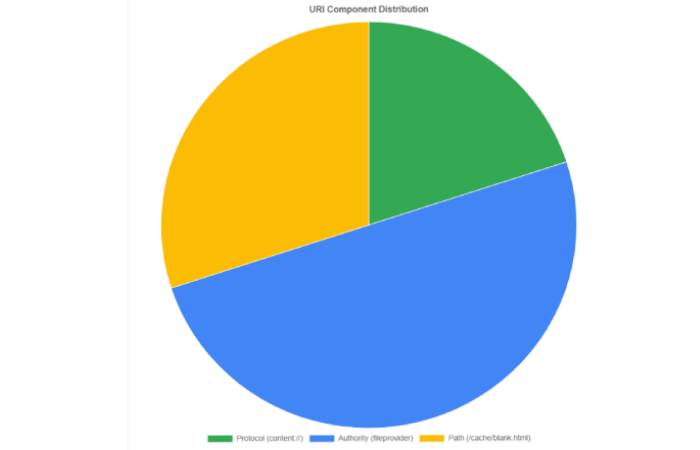
Breaking Down the URI Structure
Let’s analyze the keyword step-by-step:
| Component | Meaning |
| content:// | Android content provider protocol |
| cz.mobilesoft.appblock | AppBlock app identifier |
| fileprovider | Secure file-sharing component |
| /cache/ | Temporary storage directory |
| blank.html | Placeholder HTML file |
What This Means
In simple terms, the URI represents:
A temporary blank webpage stored locally by AppBlock to block content
What Is AppBlock and Why It Uses This URI?
AppBlock is a digital wellbeing and productivity app that helps users:
- Block distracting websites
- Restrict app usage
- Improve focus
When a user tries to access a blocked website:
- AppBlock intercepts the request
- It prevents the original page from loading
- It loads a blank HTML file instead
This file is referenced as:
content://cz.mobilesoft.appblock.fileprovider/cache/blank.html
This mechanism ensures:
- No external data is loaded
- The block is immediate
- The browsing session continues without errors
Why Does This URI Appear on Your Phone?
You may encounter this keyword in several situations:
Common Scenarios
- Opening a blocked website
- Viewing browser history
- Checking app logs
- Using WebView-based apps
- Debugging Android applications
In all cases, its presence indicates:
The blocking system is working correctly
Is content://cz.mobilesoft.appblock.fileprovider/cache/blank.html Safe?

This URI is:
- Not malware
- Not spyware
- Not a hacking attempt
It is simply a local placeholder file.
Why It Is Safe
- Stored locally (not online)
- Contains no personal data
- Controlled by Android permissions
- Used by a legitimate app
Experts confirm that it is “harmless and part of normal Android functionality”
Does This URI Mean Someone Is Tracking You?
No. This is a common misconception.
Reality
- The file is offline
- No data is transmitted
- No tracking scripts are involved
The blank HTML file typically contains:
- Minimal or no code
- No analytics
- No cookies
Its purpose is purely functional—not surveillance.
Why AppBlock Uses a Blank Page Instead of an Error
Instead of showing an error message, AppBlock loads a blank page for several reasons:
Benefits of Blank Page Blocking
| Advantage | Explanation |
| Faster loading | Local file loads instantly |
| No crash | Prevents browser errors |
| Clean UX | Avoids technical messages |
| Privacy | No external requests |
This design aligns with modern UX principles, ensuring smooth interaction.
How This Fits Into Android Security Architecture
Android uses a layered security model that includes:
- Sandbox environments
- Permission-based access
- Content providers
The FileProvider system plays a crucial role by:
- Allowing secure file sharing
- Preventing unauthorized access
- Masking real file paths
This is why the URI uses:
content:// instead of file://
When Should You Be Concerned?
Although this URI is safe in most cases, there are rare scenarios where you should investigate:
Warning Signs
- You see the URI without installing AppBlock
- Unexpected apps appear on your device
- Frequent crashes or abnormal behavior
What to Do
- Check installed apps
- Run a security scan
- Remove suspicious applications
Common Myths vs Reality
| Myth | Reality |
| It is a virus | It is a system-generated file |
| It tracks users | It does not collect data |
| It damages phone | It has no impact on performance |
| It is a broken link | It is intentional behavior |
Practical Example
Imagine you block social media during work hours using AppBlock.
When you try to open a blocked site:
- Instead of loading the website
- You see a blank screen
Behind the scenes, your phone loads:
content://cz.mobilesoft.appblock.fileprovider/cache/blank.html
This confirms:
The block is active and functioning correctly
Quick Summary
- It is a safe Android content URI
- Generated by AppBlock
- Points to a temporary blank page
- Used to block websites
- Requires no action in most cases
Fixing content://cz.mobilesoft.appblock.fileprovider/cache/blank.html Issues
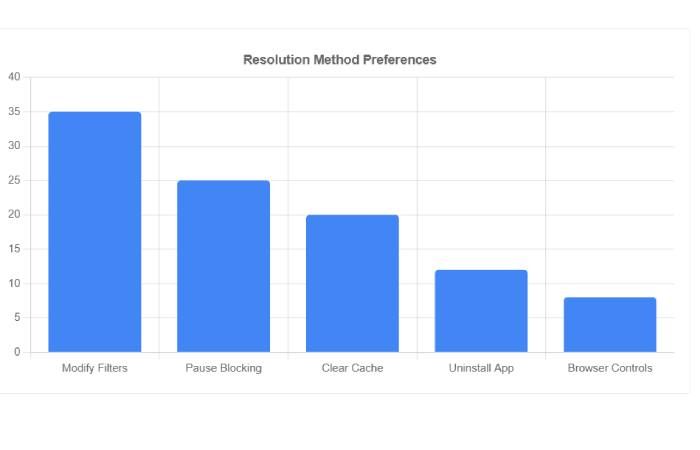
Although this URI is typically harmless, some users prefer to remove or stop seeing it. The following methods provide practical troubleshooting steps.
- Check If AppBlock Is Installed
Since this URI originates from AppBlock, the first step is verification.
Steps:
- Open Settings
- Go to Apps
- Search for “AppBlock”
Outcomes:
- If installed → The URI is expected
- If not installed → Investigate further
- Disable or Adjust AppBlock Settings
If you are seeing the blank page too often, you may want to adjust restrictions.
Options:
- Remove blocked websites
- Change schedule settings
- Disable strict mode
Result:
The URI will stop appearing once blocking is disabled.
- Clear Browser Cache
Sometimes the URI persists due to cached data.
Steps:
- Open your browser (Chrome, Firefox, etc.)
- Go to Settings > Privacy
- Tap Clear Browsing Data
- Select:
- Cache
- Cookies
- Confirm
Benefit:
Removes stored references to the blank page.
- Clear AppBlock Cache
This ensures no temporary files remain.
Steps:
- Go to Settings > Apps > AppBlock
- Tap Storage
- Select Clear Cache
- Uninstall AppBlock (If Not Needed)
If you do not use the app:
Steps:
- Long press AppBlock icon
- Tap Uninstall
Result:
The URI will no longer be generated.
- Run a Security Scan
If the URI appears unexpectedly:
- Use Google Play Protect
- Install a trusted antivirus
This confirms whether:
- The device is safe
- No malicious apps are present
Advanced Technical Perspective
For developers and advanced users, this URI reveals deeper Android mechanisms.
FileProvider Explained
FileProvider is an Android component that:
- Wraps file paths into secure URIs
- Prevents direct filesystem exposure
- Enables controlled file sharing
Why It Matters
Without FileProvider:
- Apps could access sensitive files
- Security risks would increase
Thus, this URI reflects best practices in Android security architecture.
How Developers Use Similar URIs
Developers commonly use Content URIs for:
| Use Case | Example |
| Sharing images | content://media/external/images |
| Opening documents | content://downloads/files |
| Temporary web pages | content://app/cache/file.html |
This shows that the keyword is not unusual in development environments.
Troubleshooting
| Issue | Cause | Solution |
| Blank page appears | AppBlock blocking | Adjust settings |
| URI in browser history | Cached data | Clear cache |
| Unexpected appearance | Unknown app | Scan device |
| Frequent interruption | Strict blocking | Modify schedule |
Does It Affect Performance?
No measurable impact
The file:
- Is extremely small
- Loads locally
- Uses negligible memory
Therefore:
- No battery drain
- No CPU usage concerns
Impact on SEO and Web Browsing
From a browsing standpoint:
- It does not affect website rankings
- It does not interfere with SEO metrics
- It only impacts local user experience
For website owners:
- It does not block indexing
- It does not affect analytics
Privacy Considerations
Data Handling
This URI:
- Does not store personal data
- Does not transmit information
- Does not log browsing activity externally
Compliance
It aligns with:
- GDPR principles (important in France)
- Android privacy standards
Best Practices for Users in France
To avoid confusion:
- Understand how blocking apps work
- Regularly review installed apps
- Keep Android updated
- Use trusted applications only
This ensures:
- Better security
- Cleaner browsing experience
Expert Insight
From a technical standpoint, this URI demonstrates:
- Proper use of Android’s content provider system
- Efficient handling of blocked requests
- Strong adherence to privacy-first design
Rather than being a problem, it reflects well-implemented application logic.
Frequently Asked Questions (FAQs)
- Is this a virus?
No. It is a system-generated URI used by AppBlock.
- Can I open this link?
No. It is not a web URL—it only works within Android.
- Why does it show a blank screen?
Because it loads a placeholder HTML file intentionally.
- Should I delete it?
No action is required unless it causes inconvenience.
- Can it harm my phone?
No. It is completely safe.
- Why does it appear in history?
Because your browser logs all loaded pages—including local ones.
Final Conclusion
The keyword:
content://cz.mobilesoft.appblock.fileprovider/cache/blank.html is often misunderstood due to its technical appearance. However, analysis shows that it is:
- A safe, local Android URI
- Generated by the AppBlock application
- Used to display a blank page when content is blocked
It does not indicate malware, hacking, or system failure.
For users in France and globally, the correct interpretation is simple:
If you see this URI, it means your content-blocking app is functioning as intended.
References
Below are supporting sources for further reading:
- https://www.altransit.com/content-cz-mobilesoft-appblock-fileprovider-cache-blank-html/
- https://digitaledge.org/content-cz-mobilesoft-appblock-fileprovider-cache-blank-html/
- https://whocanonline.com/content-cz-mobilesoft-appblock-fileprovider-cache-blank-html/